Growing·6 MIN READ·UPDATED JANUARY
How to keep a living tray alive in a house that sits at 19°C
A living tray is not a bouquet. It is a plant that is still working. Here is what it needs on a kitchen counter in a Cold Lake winter.
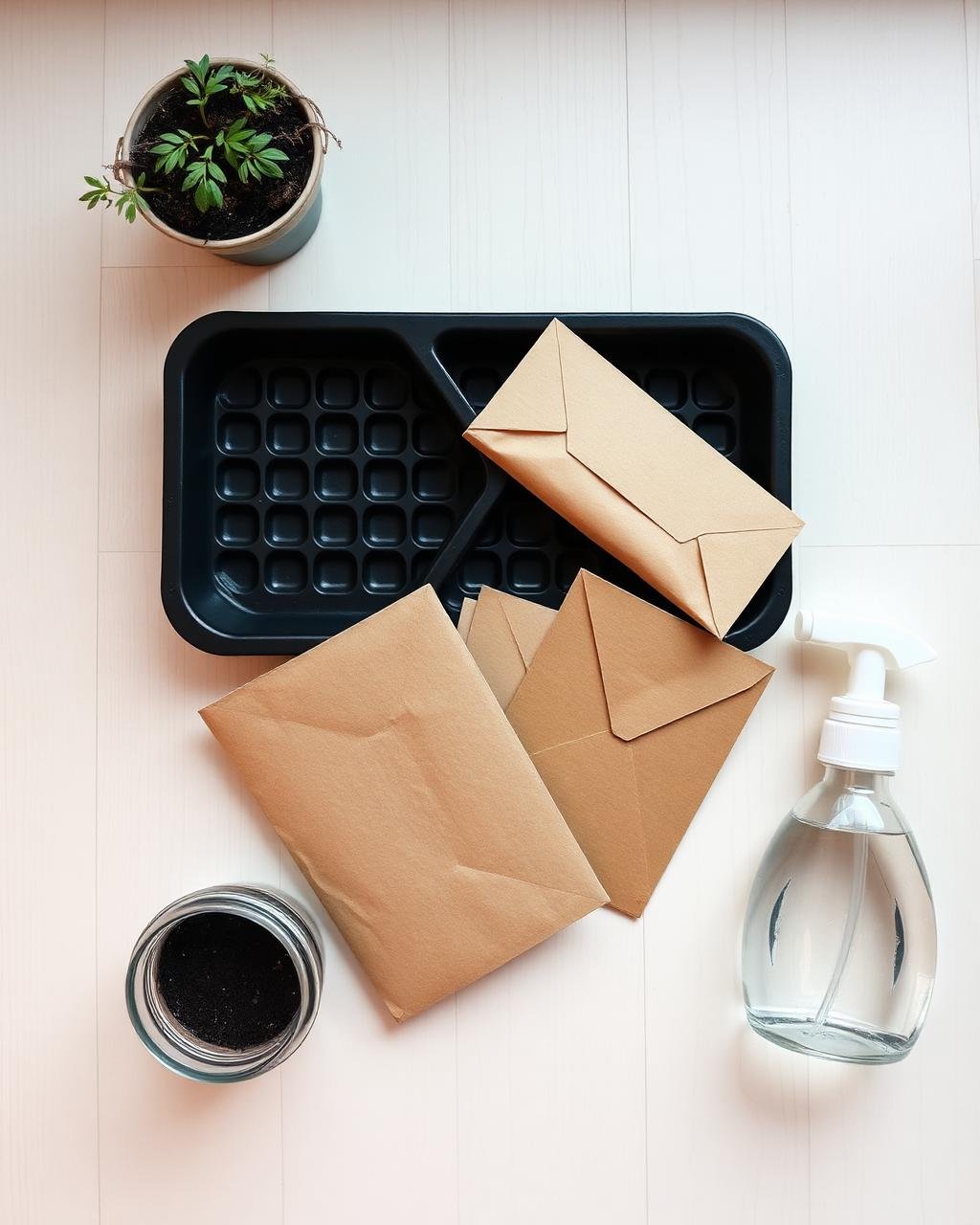
A living tray is not a bouquet. It is a plant that is still working. Here is what it needs on a kitchen counter in a Cold Lake winter.
A tray needs six hours of indirect light a day. An east or south window is enough from February onward. In December it is not, and a $30 clip lamp on a timer will do more for the tray than anything else you can buy.
Do not put it on top of the fridge. It is warm, dark and dusty up there, and the tray will stretch toward the ceiling and fall over.
Pour 100–150 ml into the outer tray, not onto the leaves. The roots pull what they need in about twenty minutes. Tip out whatever is left standing after that.
Wet leaves in a still room is how you get mould. If you only remember one thing, remember that water goes under, never over.
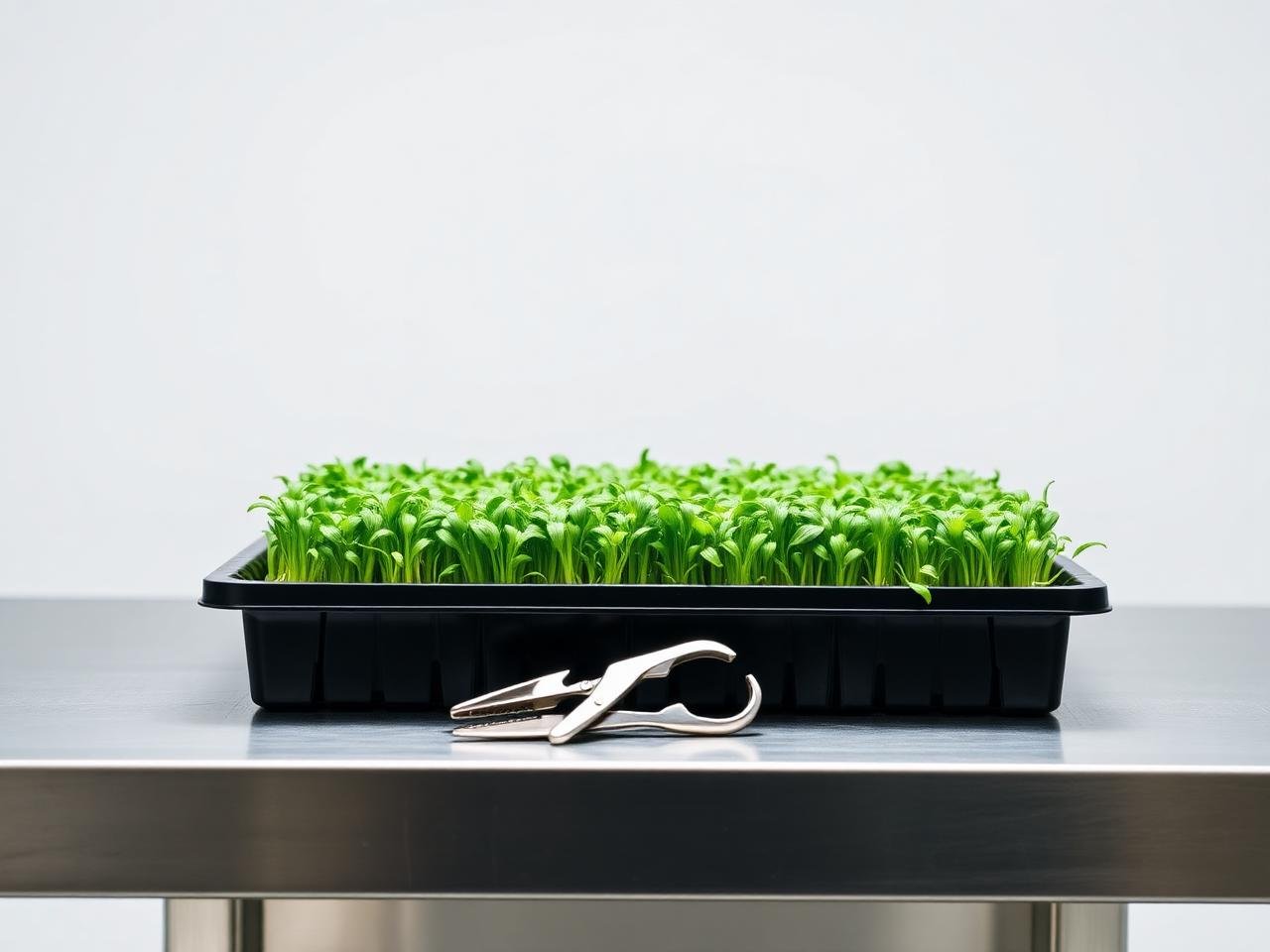
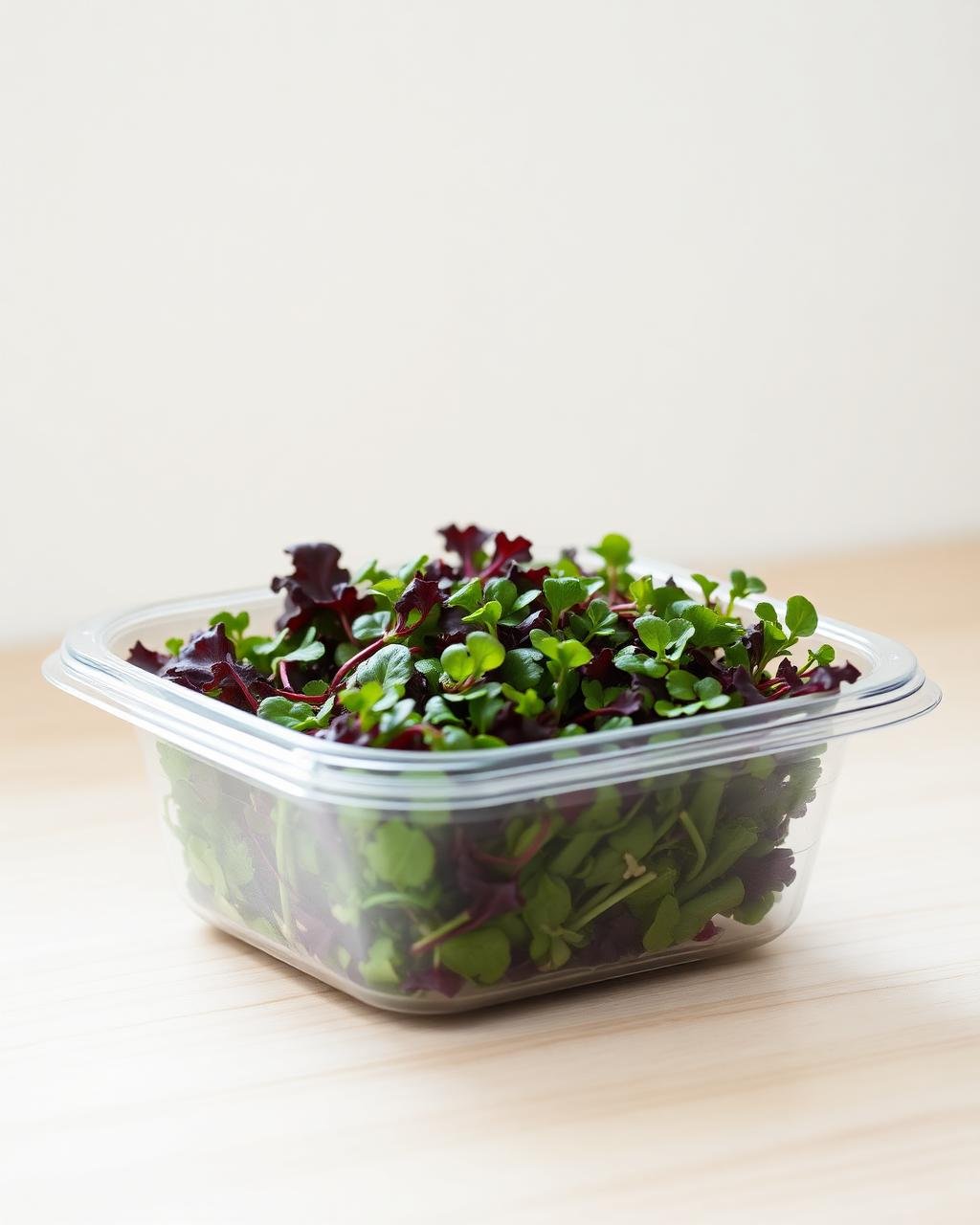
Use scissors, not your fingers. Cut 1 cm above the soil line, and cut a whole section rather than picking here and there. A half-picked tray dries unevenly and goes off faster.
Sunflower and pea will give you a second, shorter cut. Brassicas will not. Once a brassica tray is cut, compost the pad and start again.
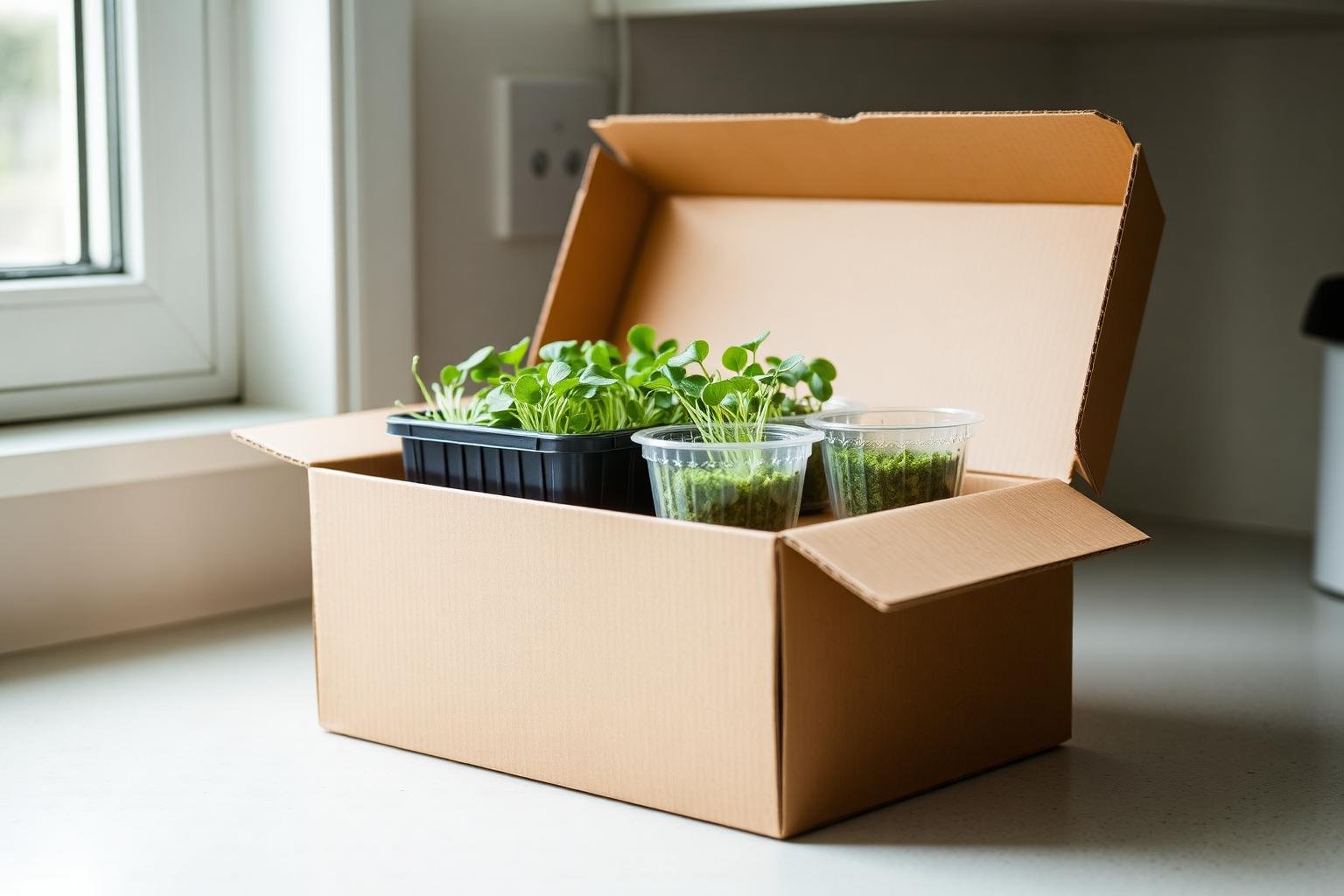
At 19°C a tray holds for ten to fourteen days after you get it. Cooler is better, but do not put a living tray in the fridge — it will stall and it will not restart.
Pale, stretched, floppy stems are almost always one of three things: too many days in the dark, not enough light after, or a warm room.
Cold Lake sits in zone 2b. The last frost lands somewhere between May 20 and June 5. Count backward from there and the indoor calendar writes itself.